








The traditional paradigm in search engine optimization has focused on content production followed by technical adjustments.
However, algorithmic evolution and the increasing importance of user experience metrics necessitate a revision of this process. Today, a website’s technical structure and design establish a framework that either limits or expands the ranking potential of its content.
This text argues that planning for SEO factors must commence concurrently with the initial website design and development stages. The focus rests on the impact of architectural and user interface decisions on the objective metrics of search engines.
Proactive Design for Core Web Vitals Metrics
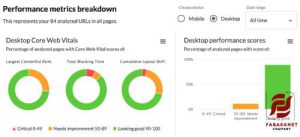
Core Web Vitals have become direct ranking factors. Website design must, from the outset, incorporate the constraints of these metrics as primary parameters. The choice of development technologies, management of image assets, and optimization of code execution are factors that require attention during the foundational design phase. Delay in addressing these aspects significantly increases remediation costs.
Furthermore, user experience signals such as bounce rate and dwell time are indirectly influenced by design. Unclear information architecture or poorly designed calls-to-action can lead to negative user behaviors. Search engines interpret these behaviors as quality indicators. Consequently, effective UI design is not merely an aesthetic concern but a technical component of an SEO strategy.
The Impact of Site Structure on Crawling Efficiency and Authority Distribution
-
Information architecture directs the path of crawlers.
-
A logical URL structure makes page access efficient.
-
A flat hierarchy optimizes the distribution of link juice.
-
The XML sitemap should be planned during the design phase.
-
A folder structure (e.g.,
/blog/seo/technical/) clarifies topical relationships. -
Pillar Pages and Cluster Content are identified from the outset.
-
Planned internal linking reinforces topical authority.
-
This structure is the technical foundation for future content strategy.
Read More! – SEO Design Checklist
Mobile-First Design as a Technical Imperative
Mobile-first indexing has established the mobile version of a website as the benchmark for ranking. Therefore, the design process must prioritize the mobile user experience from the beginning. This approach does not relegate responsive design to a post-development conversion step but establishes it as a foundational principle. The focus on mobile considerations influences decisions regarding element size, spacing, and touch interactions.
This prioritization mitigates common mobile optimization challenges. Issues like improper display, slow load times, and non-interactive elements often stem from designing primarily for desktop and adapting later. Adopting a mobile-first methodology eliminates many of these problems at the design stage. The result is a website technically aligned with Google’s core ranking criteria from its inception.

Integrating Speed as a Design-Phase Constraint
Page load speed is a confirmed ranking factor. An effective approach is integrating speed considerations into early design and development stages, rather than addressing it as a final step. This requires evaluating the impact of each design element on performance metrics like LCP, FID, and CLS. Choices in design techniques, color palettes, and fonts all affect page weight and complexity.
Employing simple, minimalist layouts helps reduce required resources. Avoiding heavy JavaScript libraries and complex visual effects improves initial load time. Through close collaboration, developers and designers can create innovative solutions that satisfy both aesthetic needs and performance requirements. This collaboration prevents the creation of a sluggish technical foundation requiring major refactoring.
Read More! – Why Most Websites Fail at SEO, UX & Sales
Planning for Structured Data Implementation During Wireframing
Structured data enables richer display in search engine results pages. Planning for this data should coincide with the design of various website components. Identifying sections that can benefit from schema markup is possible during the wireframing stage. This foresight facilitates technical implementation during development.
For instance, when designing a comments section, product listings, or FAQ area, the appropriate schema type can be determined. This planning allows the developer to integrate the corresponding code cleanly within the overall website framework. Consequently, the potential for errors is reduced, and the page structure’s comprehensibility by search engines is enhanced, improving the chance of appearing in rich results.

Designing Navigation and Internal Linking for Topical Authority Distribution
Internal linking is a crucial factor in distributing page authority and aiding crawlers in understanding page relationships. The design of navigation systems and linking patterns must align with the future content strategy. This includes designing the placement and appearance of menus, breadcrumbs, and related content sections. The goal is to create a logical network guiding users and search engines to important pages.
A robust internal linking structure reinforces the topical authority of key pages. This system should not be arbitrary but planned based on logical thematic relationships. This assists search engines in clearly understanding the site’s primary focus and content connections, ultimately supporting improved ranking for target keywords.
Read More! – why Technical SEO Starts with Design, Not Content
Integrating Scalability and Flexibility for Algorithmic Updates
Search engine algorithms continuously evolve. Therefore, website design must incorporate the capacity for future adaptation. This necessitates choosing stable technologies and development frameworks that support maintainability and easy updates. The website architecture should allow for adding new features or modifying existing ones without disrupting the overall structure.
Furthermore, the design should enable the collection and analysis of user data. This data is essential for understanding user behavior and adapting to algorithmic changes. A clean, well-documented codebase facilitates continuous optimization processes. As a result, the website is prepared not only for current conditions but also for future requirements.

Design as a Ranking Prerequisite
Evidence indicates that success in search engine rankings is not limited to content quality alone. A website’s technical infrastructure and design create the platform upon which content is delivered and evaluated. A design based on SEO principles anticipates and addresses technical constraints before they become impediments. This approach maximizes the efficacy of future content strategies.
Initiate your next design or redesign project by forming a collaborative team comprising SEO specialists, designers, and developers. Conduct a strategic kickoff meeting and define technical SEO requirements as part of the initial project specifications. This necessitates integrating performance metrics, site structure, and mobile considerations from the outset. Investing in this phase prevents costly future remediations and establishes a strong foundation for achieving top positions in search results.
“For more information and consultation with FaraSanat’s expert specialists, take action now.”