








In today’s digital world, SEO is recognized as one of the main pillars of online marketing. Many people believe that simply learning SEO techniques is enough to make a website successful, but the truth is that without web design knowledge, SEO training is practically incomplete and ineffective. User interface, site speed, user experience, and site structure all directly impact rankings and the success of SEO campaigns.
This article explains why combining web design and SEO skills is essential and how it can help grow your business.
The Importance of Web Design in SEO Success
Web design and SEO are two fundamental pillars of online success. Without a standard, user-friendly website, even perfectly executed SEO strategies cannot deliver desirable results. Websites with slow loading times or complex structures fail to rank high on Google.
An attractive user interface and positive user experience increase the time visitors spend on your site. Google interprets these signals as quality metrics, and user-friendly sites receive better rankings.
Proper web design also ensures that your website displays correctly across various devices, including mobile phones and tablets. This is a crucial aspect of modern SEO, and without it, a significant portion of traffic and sales opportunities can be lost.

Site Speed and Its Impact on Rankings
Page loading speed is a critical ranking factor for Google. Slow websites provide a poor user experience and increase bounce rates.
SEO training without learning how to optimize site speed—such as compressing images, using caching, and optimizing code—is incomplete. SEO techniques are only effective if the website is fast and accessible.
Today’s users have very little patience, and if your site takes more than a few seconds to load, visitors are likely to leave. This behavior directly affects SEO and conversion rates.
Read More! – The Hidden SEO Costs of Poor Web Design
The Importance of User Experience (UX) in SEO
A good user experience increases visitor engagement. Simple menus, smooth navigation, and attractive visual design encourage users to spend more time on your site.
Google uses user experience signals such as click-through rates, time on page, and bounce rates as ranking criteria. Therefore, even the best content cannot achieve high rankings without proper web design.
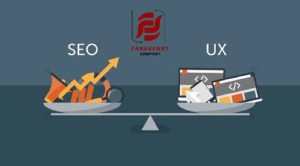
Combining SEO and UX ensures that your website is optimized for search engines while providing a pleasant experience for visitors, which together guarantee website success.
Responsive Design and Its Importance for SEO
More than 60% of Google searches are conducted on mobile devices. Websites that are not optimized for mobile lose a significant portion of their audience.
SEO training without understanding responsive design is incomplete because many modern SEO techniques also include mobile optimization.
Responsive design not only improves user experience but also ensures that your site is better recognized by Google’s algorithms, increasing the chances of higher rankings.
Read More! – Design That Wins Users and Google
Site Structure and Information Architecture
Site structure and information architecture are key factors in SEO success. Using short, readable URLs makes it easier for both users and search engines to understand your pages.
Simple navigation and easy access to important pages increase user engagement and reduce bounce rates. When visitors can quickly find the information they need, the likelihood of returning to your site and converting into customers rises.
Internal linking also plays a crucial role; creating a network of relevant internal links boosts page authority and improves their rankings in search engines. Together with user-friendly design, these elements form the foundation of a successful website.

How Design Impacts SEO Content
Content is only effective when it is well-presented. Proper web design ensures your content is displayed in an attractive and readable format.
Using headings, proper paragraphing, images, and infographics increases the effectiveness of your SEO content and better engages your audience.
Without proper web design, content may suffer from poor readability, causing visitors to leave the site, even if the SEO of the content is excellent.
Read More! – Human + Google: The Perfect Design Balance
Modern Tools and Techniques to Combine SEO and Web Design
-
Use tools like Google PageSpeed Insights, GTmetrix, and Lighthouse to check site speed and performance
-
Utilize modern CMS platforms and optimized templates for user-friendly web design
-
Optimize user experience and SEO content simultaneously
-
Combine SEO techniques with responsive and mobile-friendly design
-
Monitor and analyze user behavior for continuous site improvement

Conclusion
SEO training without web design knowledge is like having a map without a proper route. Online success is not limited to SEO techniques alone; standard web design, good user experience, site speed, and responsive design all play a vital role. Combining these skills ensures that your website is optimized for search engines while offering an engaging experience for users, resulting in increased traffic, higher conversions, and long-term business growth.
Combine your SEO knowledge with web design skills today and turn your website into a lead-generating machine! Contact Farasanet for a free consultation and start your project now.