








In today’s digital world, web design and SEO are the two pillars of online success. Many web designers treat SEO as an afterthought rather than an integral part of the design process. This approach can lead to websites that not only perform poorly in search engines but also offer a subpar user experience.
In this article, we explore common mistakes web designers make regarding SEO and provide practical strategies to avoid these pitfalls.
1. Ignoring Site Speed
Page load speed is one of Google’s primary ranking factors and directly impacts user experience. Many designers focus heavily on visuals and animations, forgetting that a heavy, slow website increases bounce rates and reduces user engagement. This issue is especially critical on mobile devices, where users expect fast, seamless browsing.
Optimizing images, leveraging browser caching, and minimizing unnecessary scripts and styles are key to improving site speed. Designers who overlook these principles often end up paying more later to fix performance issues. Tools like Google PageSpeed Insights and GTmetrix can identify speed problems before users or search engines notice.
A fast website not only enhances the user experience but also sends positive signals to search engines, helping improve rankings. Therefore, speed should be a top priority alongside visual design.

2. Neglecting On-Page SEO
On-page SEO forms the foundation for a website’s visibility on Google. Incorrect header structures, poorly implemented alt tags, missing meta descriptions, and unreadable content prevent effective indexing. Designers who ignore on-page SEO often create visually appealing sites that remain virtually invisible in search results.
Optimizing page titles, meta descriptions, H1-H6 tags, and internal linking is essential. Incorporating these elements during the design phase saves time and prevents costly revisions later.
Designing with on-page SEO in mind improves both user accessibility and search engine understanding. The result is a website that ranks higher and provides a smoother experience for visitors.
Read More! – The SEO-First Web Design Strategy Nobody Is Teaching You
3. Poor URL Structure
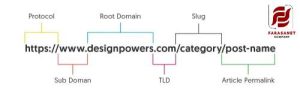
URLs are one of the first things users and search engines encounter. Many designers create long, complicated URLs with unnecessary characters, which confuse both users and search engines, reducing the effectiveness of even the best content.
The ideal approach is short, clear URLs containing relevant keywords. Such URLs are easier for users to remember and help search engines understand the page content. Using hyphens instead of underscores and removing unnecessary parameters are standard best practices for SEO-friendly URLs.
Websites with optimized URLs not only offer a better user experience but also increase the likelihood of natural backlinks and content sharing. Therefore, URL structure should be considered from the early stages of design.
4. Ignoring Responsive Design
In today’s mobile-first world, websites that are not responsive risk losing a significant portion of their audience. Non-responsive pages often display poorly on mobile and tablet devices, load slowly, and frustrate users, reducing engagement and conversions.
Responsive websites not only enhance user experience but are also a key ranking factor in Google’s algorithm. Sites that fail on mobile devices tend to experience higher bounce rates and lower conversion rates, ultimately affecting business performance.
Key Points for Responsive Design:
-
Use modern frameworks like Bootstrap or Tailwind for flexible layouts
-
Test the website on mobile, tablet, and desktop before launch
-
Optimize images and media for fast loading across all devices
-
Ensure fonts and sizes are compatible with different screen resolutions
-
Design navigation that is simple and easy to use on small screens
Read More! – The Dark Side of Modern Web Design
5. Overlooking UX While Focusing on SEO
Designers who focus solely on aesthetics often create poor user experiences, causing visitors to leave quickly. This reduces engagement and sends negative signals to search engines, impacting rankings.
SEO and UX must work together. Simple navigation, clear calls-to-action, and readable content improve user satisfaction while signaling quality to search engines. Positive user interactions are a crucial factor in search engine ranking algorithms.
Tools like Hotjar and Google Analytics allow designers to analyze user behavior, identify weak points in UX and SEO, and make necessary improvements. Optimizing both UX and SEO ensures the site is attractive to users and highly visible in search results.
6. Misusing JavaScript and CSS
Excessive or improper use of JavaScript and CSS can prevent search engines from properly indexing a site’s content. Some designers rely heavily on complex scripts to display core content, which search engine crawlers may not read effectively.
Best practices include proper use of lazy loading, minification, and structured file organization. Ensuring that essential content is accessible without JavaScript is critical for both user experience and search engine indexing.
Following these principles from the beginning of the design process prevents future SEO and UX issues while improving site performance.
Read More! – Design That Wins Users and Google
7. Lack of Internal and External Linking Strategy
Internal and external linking is a fundamental component of SEO often overlooked by designers. Proper internal linking helps search engines understand site structure and evenly distribute page authority.
External backlinks from reputable sites increase the website’s authority and enhance visibility in search results. Without a thoughtful linking strategy, even high-quality content may fail to rank.
Collaborating with relevant websites and using internal and external links strategically is essential. These steps should be incorporated alongside design and content creation to maximize SEO impact.

Conclusion
SEO and web design are inseparable elements of online success. Ignoring either can lead to poor search rankings, weak user experience, and reduced conversions. By prioritizing site speed, on-page SEO, URL structure, responsive design, UX, optimized JavaScript and CSS, and a strong linking strategy, businesses can create websites that satisfy users and perform well in search engines.
Contact our expert team today to create a professional, fast, and SEO-optimized website that outranks your competitors and delights your users!
“Contact the FaraScent SEO experts today for more information and a personalized consultation.”