








When it comes to optimizing your website for search engines, many business owners assume that Google only reads the content on their pages.
In reality, Google uses an advanced crawler that examines nearly every technical and content-related aspect of your site. From link structures and site speed to mobile performance and code quality, every detail affecting user experience and search understanding matters.
In this article, we’ll show you what Google truly sees when it crawls your website and why paying attention to these details can make the difference between a high-ranking site and one that barely gets noticed.
Site Structure and Architecture
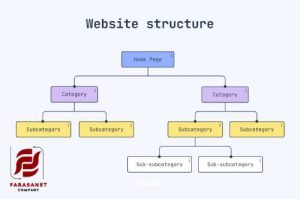
Before reading content, Google evaluates your website’s overall structure. This includes page organization, navigation menus, and internal linking. Sites with a simple and organized architecture are crawled more efficiently, allowing important pages to be indexed faster.
Clean and meaningful URLs also help Google understand your pages better. URLs containing relevant keywords improve visibility and search ranking potential.
Additionally, sitemaps and the robots.txt file are essential tools for guiding Google through your site. These files indicate which pages should be crawled and which should remain hidden from search engines.
Site Speed and Performance
Page load speed is one of the most important factors Google considers. Slow websites not only frustrate users but also require more time for Google’s crawler to index.
Optimizing images, leveraging caching, and minimizing unnecessary code directly improve speed. Using Content Delivery Networks (CDN) and high-quality hosting also enhances performance.
Google also evaluates mobile-friendliness; sites that load quickly and function smoothly on mobile devices have a higher chance of ranking well. Optimizing for speed benefits both users and search engines.
Read More! – The SEO-First Web Design Strategy Nobody Is Teaching You
Content and Its Quality
Content remains the heart of any website, but Google no longer focuses solely on keyword presence. Modern algorithms assess quality, credibility, and relevance to user intent.
Long, detailed content with proper headings, optimized images, and unique insights helps Google understand your page better. High-value, original content consistently ranks higher and gets indexed faster.
Internal and external linking also signals to Google that your page is part of a trusted network. Proper link structure and authoritative references enhance SEO performance.

User Experience (UX)
User experience is a critical factor Google analyzes when crawling your site. Google tracks user behavior, including time on site, bounce rate, and engagement, to evaluate overall site quality. Websites with poor UX can struggle to rank, even if their content is excellent.
A user-friendly design and easy access to information encourage visitors to stay longer and interact more. Readable fonts, intuitive navigation, and visually appealing layouts all send positive signals to Google.
Mobile responsiveness and smooth content display further improve UX, ensuring both users and Google recognize your site as high-quality.
Key UX factors Google checks:
-
Responsive and mobile-friendly design for seamless access across devices
-
Fast page load times and optimized performance
-
Readable text, appropriate fonts, and eye-friendly color schemes
-
Simple navigation with organized link structure
-
User engagement, such as clicking links and browsing multiple pages
-
Reduced bounce rates through relevant and engaging content
-
Optimized images and videos for better visual experience
Read More! – why Technical SEO Starts with Design, Not Content
Structured Data and Schema
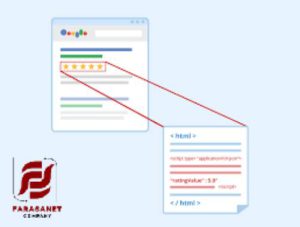
Structured data (Schema Markup) helps Google better understand your pages. You can provide additional context for products, reviews, articles, events, and more in a format easily interpreted by search engines.
This markup allows your content to appear as rich results, like Rich Snippets and Knowledge Graph entries, boosting click-through rates and traffic.
Accurate implementation is crucial; even small errors can prevent Google from using the data correctly. Regular testing ensures your structured data delivers maximum SEO benefits.
Website Security and HTTPS
Google prioritizes website security and favors sites with HTTPS. An SSL certificate not only builds user trust but also serves as a positive ranking signal.
Non-HTTPS sites may trigger browser warnings, discouraging visitors and negatively impacting user experience, which in turn lowers rankings.
Maintaining security against hacks and malware is also essential. Repeated security issues reduce a site’s credibility in Google’s eyes, making HTTPS implementation a must for SEO.
Read More! – Why Most Websites Fail at SEO, UX & Sales
Links and External Signals
Backlinks remain one of the most important indicators of a site’s authority. Google views links as votes of confidence from other websites.
Quality outweighs quantity; links from authoritative and relevant sites carry more weight, positively influencing rankings.
Outbound links to trusted, relevant sources also signal credibility. A site that connects to and references other high-quality content gains trust in Google’s algorithms, improving overall SEO performance.

Conclusion
Google doesn’t just see the text on your pages when it crawls your site; it evaluates structure, performance, user experience, security, content quality, and external signals. Paying attention to these elements can dramatically improve your rankings, visibility, and user engagement. By implementing best practices and optimizing your site from Google’s perspective, you can take your website to the next level of success.
Optimize your website for search engines today! Boost your rankings and traffic with our professional SEO and web design services.
“For more information and consultation with FaraSanat’s expert specialists, take action now.”