








In today’s digital world, the success of a website is no longer defined solely by visual appeal or high rankings in search engines. Three essential elements( Search Engine Optimization (SEO), User Experience (UX), and
Conversion Rate Optimization (CRO)) are deeply interconnected and play a crucial role in sustainable online growth. Many websites generate significant traffic yet struggle with low engagement and poor sales performance, mainly due to a lack of harmony between these critical factors.
This article explores the real relationship between SEO, UX, and conversion rates, showing how a strategic combination of these elements can improve rankings, enhance user satisfaction, and significantly boost conversions.
SEO: More Than Just Ranking on Google
SEO is no longer just about achieving top positions in search results; its true purpose is to attract high-intent users and guide them toward meaningful engagement. Modern search engines, especially Google, closely analyze user behavior and prioritize websites that deliver exceptional experiences. As a result, contemporary SEO strategies are deeply connected to user-centric design and performance optimization.
Metrics such as bounce rate, dwell time, click-through rate (CTR), and engagement levels directly impact how search engines evaluate a website. When users quickly leave a site, it sends negative signals to Google, indicating dissatisfaction and leading to lower rankings. Conversely, positive user behavior helps strengthen a site’s authority and credibility.
This shift has transformed SEO into a holistic discipline that integrates content quality, technical performance, and usability. Websites that focus on delivering seamless and valuable experiences not only rank higher but also achieve stronger engagement and improved conversion performance.

User Experience (UX): The Core of Digital Success
User experience encompasses every interaction, perception, and emotion a user has while navigating a website or application. A well-designed UX ensures that visitors can find information easily, move smoothly through pages, and complete desired actions without frustration or confusion.
Even the strongest SEO strategy cannot compensate for a poor user experience. Complicated navigation, slow loading times, cluttered layouts, and lengthy registration forms often drive users away before they engage or convert. These obstacles increase bounce rates and reduce trust.
On the other hand, intuitive layouts, logical navigation paths, clean visual design, and fast performance foster trust, satisfaction, and brand credibility. When users feel comfortable and confident, they are more likely to stay, interact, and eventually convert.
Read more! – Page Speed, UX & Google Rankings
What Is Conversion Rate and Why Is It Critical?
Conversion rate refers to the percentage of visitors who complete a desired action, such as making a purchase, signing up for a newsletter, filling out a contact form, or requesting a consultation. This metric is the most accurate indicator of a website’s real effectiveness and profitability.
Improving conversion rates means generating more revenue without increasing traffic. In other words, optimizing the existing visitor flow allows businesses to maximize results while reducing marketing costs. Even small improvements in conversion rates can lead to significant revenue growth.
Successful conversion optimization requires deep analysis of user behavior, continuous testing, and strategic UX improvements. SEO and UX are fundamental components of this process, as they bring the right users and guide them toward frictionless interactions that lead to conversions.
The Direct Relationship Between SEO and User Experience
In recent years, Google has explicitly emphasized the importance of user experience as a ranking factor. Core Web Vitals (including page load speed, visual stability, and interactivity) are now central to search ranking algorithms, highlighting the critical role of UX.
When a website loads quickly, responds smoothly, and presents content clearly, users remain engaged longer. This positive behavior sends powerful quality signals to search engines, resulting in improved rankings and stronger online visibility.
SEO and UX therefore function as complementary forces. Without aligning technical optimization and user-centered design, digital marketing strategies cannot achieve long-term success.
Read more! – The Impact of Poor User Experience on SEO Performance
The Role of UX in Increasing Conversion Rates
-
Simplifying user journeys to minimize friction
-
Designing clear, visible, and persuasive call-to-action (CTA) buttons
-
Streamlining forms with minimal required fields
-
Optimizing page speed to prevent user drop-off
-
Implementing clean, structured, and user-friendly layouts
-
Enhancing navigation for faster access to key content
-
Displaying pricing, offers, and policies transparently
-
Building trust through testimonials, reviews, and security badges
-
Creating responsive designs optimized for mobile devices
-
Continuously testing and refining user interactions

How SEO, UX, and CRO Alignment Drives Business Growth
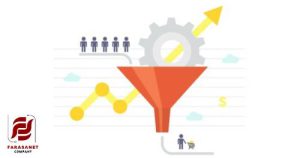
When SEO, UX, and CRO work together, they form a powerful growth engine. SEO attracts targeted traffic, UX ensures satisfaction and engagement, and CRO converts visitors into loyal customers. This seamless flow dramatically improves overall performance.
This strategic alignment lowers customer acquisition costs, boosts return on investment, and strengthens brand positioning. Businesses that adopt this integrated approach consistently outperform competitors and achieve sustainable long-term growth.
Companies that manage these three elements cohesively gain a significant competitive advantage, building stronger digital authority and lasting customer relationships.
Read more! – The Importance of Website Structure in SEO Success
Practical Strategies to Improve SEO, UX, and Conversion Rates Simultaneously
Improving website speed, implementing responsive design, producing valuable content, and optimizing internal linking structures are among the most effective actions to enhance both SEO and user experience simultaneously.
Analyzing user behavior using tools such as Google Analytics, Hotjar, and heatmaps helps identify friction points and optimize conversion paths. Data-driven insights allow for precise improvements that significantly boost engagement and sales.
A/B testing landing pages, optimizing CTAs, and simplifying checkout or signup processes are proven strategies that deliver measurable improvements in conversion performance within short timeframes.

Conclusion
The relationship between SEO, user experience, and conversion rates is dynamic, interconnected, and essential for digital success. Focusing on just one of these factors without considering the others leads to limited and unsustainable results. Only through a balanced and strategic integration of SEO, UX, and CRO can businesses achieve long-term growth, increased revenue, and strong brand presence in the digital marketplace.
If you want your website not only to rank higher on Google but also to convert visitors into loyal customers, our expert SEO and web design team is here to help. Contact farasanet today for a free consultation and take the first step toward transforming your digital performance.